

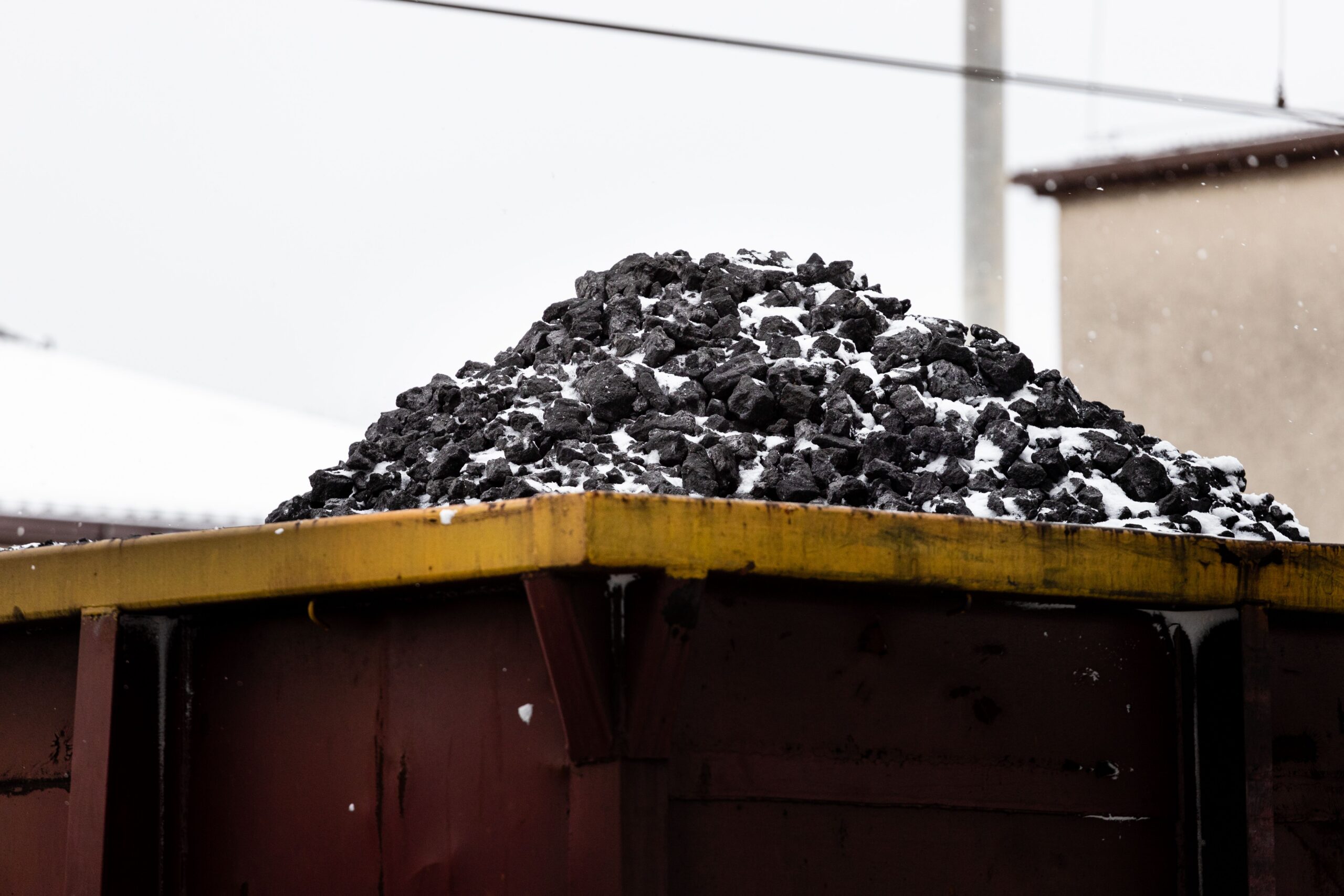
It’s without a doubt that coal is one of the most imperative energy raw material in the world; even though there is a global gradual transition towards renewable energy raw materials and fewer carbon power systems. Across the world’s major coal generating regions, a few coal mines stand out for their extraordinary production volumes, scale, infrastructure and ability to operate efficiently over a long period of time. At CA Mining, we have compiled a list of the five most successful coal mines in the world based on our expert opinion. These top coal mine operations demonstrate what is possible when geology, technology, infrastructure and skilled mining teams come together.
While rankings can vary depending on whether they are based on annual production, reserves, mine capacity or revenue, the following five mines rank among the world’s most significant and successful coal operations.
1. North Antelope Rochelle Mine in the United States
The North Antelope Rocelle open-pit mine is based in Wyoming and it’s owned by Peabody Energy which generates about 60 million tons a year. The North Antelope Rochelle Mine (NARM) is one of the world’s largest and most productive coal mines.
In 1999 , Peabody Energy decided to marry the previously separate North Antelope and Rochelle mines to form today’s coal mine operation beast. The mine extracts coal from the Wyodak-Anderson seam, which can reach between 60 and 80 feet in thickness and lies relatively close to the surface.
One of the coal mine’s greatest advantages is its geology. The Powder River Basin contains extensive, relatively shallow coal seams, allowing large-scale surface mining methods to be used efficiently. This coal mine is also an example of highly mechanised, large-scale mining with sophisticated equipment, extensive haulage systems and established rail infrastructure connecting the operation with its utility customers.
In summary, what makes it successful?
- Exceptional coal seam thickness and favourable geology
- Highly mechanised open-pit mining
- Large-scale production
- Established rail and utility infrastructure
- Decades of operational experience
- Significant remaining mine life
For mining companies around the world, NARM demonstrates the commercial advantages that can come from combining favourable geology with large-scale mechanisation and mature infrastructure.
2. Gevra Open Cast Mine in India
The Gevra Open Cast Mine is based Korba district in Chhattisgarh in India and is run by South Eastern Coalfields Limited (SECL), a subsidiary of Coal India. They are able to produce about 70 million tonnes of coal per year and thus has become one of the world’s coal-production powerhouses.
Its scale is especially significant within the Indian market. Gevra and the neighbouring Kusmunda mine together produce more than 100 million tonnes of coal annually, representing around 10% of India’s total coal production. The operation is also notable for its unique approach to mechanisation. SECL has introduced large surface miners capable of cutting coal without conventional blasting, alongside enormous heavy earth-moving equipment. The mine uses incredible equipment including 240-tonne dump trucks and 42-cubic-metre shovels.
The mine therefore demonstrates how technological investment can allow an established operation to dramatically increase its production capacity.
What makes it successful?
- Extremely high annual production
- Significant expansion potential
- Large-scale mechanisation
- Strategic importance to India’s energy security
- Investment in blast-free mining technologies
- Extensive rail and first-mile connectivity infrastructure
For mining professionals, Gevra is an excellent example of how a mature operation can continue to grow through investment, technology and operational optimisation.
3. Black Thunder Mine in United States
This surface mine owned by Arch Resources is also based in Wyoming in USA. Black Thunder has been one of America’s most important coal mines for many years now from when it became it’s operation in 1977 and became one of the largest coal mines in the United States. Its scale is reflected in the mine’s extensive reserves, mining rights and transportation infrastructure.
Black Thunder uses large-scale surface mining techniques such as draglines and truck-and-shovel operations. The operation is connected to two major rail networks called BNSF and Union Pacific and has two train-loading facilities with a combined loading capacity of approximately 16,000 tons per hour.
Producing millions of tonnes of coal is only part of the challenge for a large mine. Moving that material reliably from pit to customer is just as crucial. Black Thunder’s integrated mining and transportation system has helped establish it as a major supplier to the US power sector.
The mine also illustrates the importance of adaptability. Demand for Powder River Basin thermal coal has been under pressure and Wood Mackenzie notes that Arch’s Powder River Basin production and margins have faced increasing challenges.
Nevertheless, Black Thunder remains an important case study in large-scale surface mining.
To sum up what makes it successful:
- More than four decades of operation
- Massive production capacity
- Highly mechanised mining
- Extensive reserves
- Direct rail connectivity
- Established relationships with domestic utility customers
Its longevity is arguably one of its greatest achievements: sustaining a huge mining operation for almost half a century while adapting to changing market conditions.
4. Kusmunda Coal Mine in India
Also based in Chhattisgarh, Kusmunda open pit mine is able to produce about 75 million tonnes per year and is proudly owned by South Eastern Coalfields Limited, part of state-owned Coal India. India’s Kusmunda mine is another example of how rapidly the country’s largest coal operations have scaled.
The mine’s performance is particularly notable because it has joined an elite group of individual coal mines capable of producing more than 50 million tonnes annually. In 2024, India’s Ministry of Coal highlighted Kusmunda alongside Gevra as two of the world’s largest coal mines. The ministry reported that Kusmunda produced more than 50 million tonnes in Financial Year 2023/24.
Like Gevra, Kusmunda has invested heavily in modern mining equipment. Surface miners, large dump trucks, shovels and vertical rippers are used to support high-volume production while reducing reliance on conventional blasting in parts of the operation.
What makes it successful?
- More than 50 million tonnes of annual production
- High production capacity
- Large-scale equipment fleet
- Strong integration with India’s coal supply chain
- Modern surface-mining techniques
- Significant contribution to national energy supply
Together, Gevra and Kusmunda demonstrate the extraordinary scale that India’s coal sector has achieved.
5. Sangatta Mine in Indonesia
Located in East Kalimantan and owned by PT Bumi Resources and partners, this open pit mine is capable of producing about 55 million tonnes a year.
Indonesia has become one of the world’s most important coal-exporting nations and the Sangatta operation in East Kalimantan is central to that story. Operated by Kaltim Prima Coal (KPC), the operation produces several coal products for both domestic and international markets.
Its location provides another major competitive advantage. East Kalimantan is strategically positioned for access to export markets, allowing KPC to serve both Indonesian customers and international buyers. The operation also benefits from significant reserves. KPC reported approximately 620 million tonnes of coal reserves across Sangatta and Bengalon at the end of 2024.
What makes it successful?
- More than 50 million tonnes of annual production
- Strong export infrastructure
- Large reserve base
- Integrated processing and logistics
- Access to international coal markets
- Long-established mining operations
Sangatta demonstrates that the success of a mine is not determined by production alone. Location, logistics, product quality and access to international markets can be equally important.
What Can the World’s Most Successful Coal Mines Teach Us?
Although these five operations are located in very different mining jurisdictions, several common factors appear repeatedly.
1. Scale matters
The world’s leading coal mines operate at extraordinary volumes. Producing 50–60 million tonnes of coal a year requires enormous investment in equipment, infrastructure, logistics and people. Scale can create significant efficiencies but only when supported by strong operational management.
2. Technology is transforming productivity
From surface miners and giant shovels in India to highly mechanised operations in Wyoming, technology is fundamental to modern large-scale coal mining. The challenge for mining companies is not simply acquiring the biggest equipment. It is ensuring that equipment, people, mine planning, maintenance and technology work together to maximise productivity.
3. Infrastructure can make or break a mine
A mine can have exceptional geology, but without reliable transportation infrastructure, its commercial potential is limited. Rail networks, ports, processing facilities, haul roads and loading systems are therefore critical components of successful mining operations.
4. People remain at the centre of mining success
Perhaps the biggest lesson is that even the world’s largest and most automated mines still depend on highly skilled people. Mining engineers, geologists, mine managers, maintenance specialists, equipment operators, safety professionals, supply-chain specialists and technical leaders are required to keep these complex operations running. As mines become increasingly automated and technologically sophisticated, the skills required are also changing.
The future mining workforce will increasingly need to combine traditional mining expertise with capabilities in automation, data analytics, artificial intelligence, electrification, remote operations and advanced maintenance.
The Future of Coal Mining
The coal industry is operating in a changing environment. Global energy systems are moving towards lower-carbon sources, while many countries are simultaneously facing growing electricity demand and energy-security challenges. This creates a complex outlook for coal producers.
For existing mines, competitiveness will increasingly depend on cost efficiency, productivity, safety, technology and responsible resource management. The mines that remain successful will not necessarily be those that simply produce the most coal. They will be those that can operate safely and efficiently, adapt to changing market conditions and continue investing in their people and technology.
For the mining industry, these five operations provide a valuable lesson: world-class mining is about much more than the resource beneath the ground. It is about combining geology, technology, infrastructure, capital and the right talent to turn that resource into a sustainable and productive operation.
At CA Mining, we understand the people behind mining performance. From technical and engineering specialists to senior management and executive leadership, access to the right talent can be a critical factor in the success of mining operations across Africa and international markets.
