

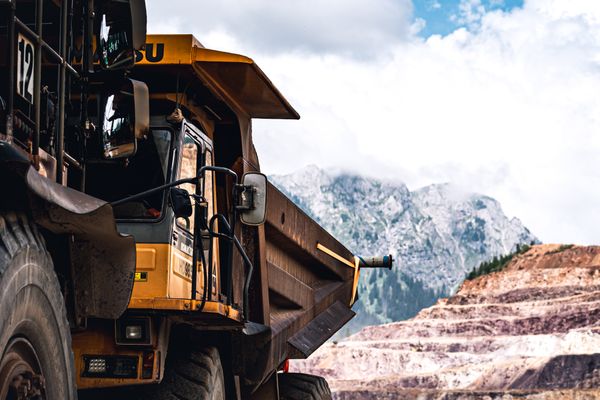
Autonomous technology is changing how mines operate, from driverless haul trucks and automated drilling systems to remote operations centres that manage equipment across entire sites. As mining companies invest in digitalisation, artificial intelligence and advanced fleet management, one question is becoming increasingly important: if a mine went fully autonomous tomorrow, which jobs would remain essential?
The answer to mining automation is more complex than a simple reduction in headcount. While mining automation can reduce the need for certain manual operating roles, it also creates demand for technical expertise, systems management, maintenance, safety oversight and leadership. For mining companies, the challenge is no longer simply deciding which tasks can be automated. It is understanding how their workforce must evolve to support a more technologically advanced operation.
For mining professionals, this transformation raises equally important questions about career development, transferable skills and long-term employability.
Which Mining Jobs Are Most Vulnerable to Automation?
Autonomous haulage, automated drilling and remote-controlled machinery are already being implemented across parts of the global mining industry. These technologies allow equipment to perform repetitive tasks with less direct human intervention, often operating continuously under carefully controlled conditions.
Traditional haul truck operators are among the most obvious examples of roles affected by this shift. Autonomous vehicles can transport material along predetermined routes, respond to digital instructions and communicate with fleet management systems without requiring a driver inside the cab. Similar developments are influencing drilling, dozing and other equipment-intensive activities.
However, the extent of automation varies considerably between commodities, sites and operating environments. A large, established iron ore operation with substantial capital investment may be better positioned to deploy autonomous fleets than a smaller mine with challenging terrain, limited infrastructure or a shorter remaining operating life.
It is also important to distinguish between automating a task and eliminating an entire job. Some positions involve repetitive equipment operation, while others combine machinery use with problem-solving, safety decisions, inspections and coordination. The more a role depends on routine, predictable activities, the easier it may be to automate individual responsibilities.
This does not mean that every operator will lose their job. It does mean that mining companies and employees need to consider how existing positions could change as technology becomes more capable.
From Operating Machinery to Managing Intelligent Systems
So let us explore what would happen to mining professionals if a mine became fully autonomous. Automation does not necessarily make human involvement redundant. Instead, it can move employees away from direct equipment operation and towards the supervision, maintenance and optimisation of increasingly sophisticated systems.
Consider a haul truck operator who previously spent an entire shift driving between loading and dumping points. In an increasingly autonomous environment, a professional with the right technical training could transition into a remote operations centre, monitoring several vehicles, identifying operational disruptions and coordinating responses.
The work changes significantly. Rather than concentrating on the controls of one machine, the employee must understand fleet behaviour, interpret system alerts and recognise when an automated process requires human intervention. This shift also creates opportunities for professionals who understand both mining operations and digital technology. Software specialists may understand how an autonomous system works, but operational experience provides valuable insight into production priorities, geological conditions, equipment limitations and site-specific risks. The strongest teams will bring these areas of expertise together.
For mining employers, this means workforce planning must extend beyond identifying positions that technology could replace. It must also consider which existing employees could be trained to fill emerging roles and what additional capabilities future recruitment will require.
The New Skills Mining Companies Will Need
As autonomous technology becomes more integrated into mining operations, demand is likely to grow for professionals who can maintain, monitor and improve these systems.
Automation and control systems technicians will be important for diagnosing technical faults, maintaining sensors and supporting the integration of machinery with operational software. Electrical and instrumentation specialists will also remain essential, particularly as equipment becomes more dependent on interconnected electronic systems.
Data analysts and digital mining specialists can help operations interpret the information generated by autonomous fleets. By examining equipment performance, fuel consumption, cycle times and maintenance patterns, these professionals can support better operational decisions.
Cybersecurity is another consideration. Connected equipment and remote operations introduce digital risks that traditional mining environments did not face to the same extent. Protecting operational technology, maintaining secure communications and managing system access will become increasingly important.
Meanwhile, safety professionals will need to understand how autonomous equipment interacts with people, conventional vehicles and changing site conditions. Automation may remove some risks associated with human error but it introduces other challenges, including system failures, communication interruptions and the safe management of mixed fleets.
Perhaps most importantly, mines will need professionals who can bridge technical knowledge and practical experience. An employee who understands how production works on the ground and how digital systems influence it can provide value that is difficult to replicate through technical expertise alone. These skills should be considered alongside traditional mining capabilities, not necessarily as replacements for them.
Does Automation Mean Smaller Mining Workforces?
The commercial case for autonomy often centres on productivity, consistency, operating costs and equipment utilisation. These benefits can be substantial, but their effect on employment depends on how each operation implements the technology.
Autonomous solutions could enable mining and quarrying companies to use smaller vehicles and more flexible fleets instead of relying exclusively on large, conventional equipment. Autonomy can change the economics of material movement. Where human operators would make a larger fleet of smaller vehicles expensive to staff, autonomous systems may make such configurations more practical. Coordinated vehicles can also support route optimisation, reduce idle time and improve maintenance planning.
This approach challenges the traditional assumption that the largest machines always deliver the best results. In certain operations, a fleet of smaller vehicles could provide greater flexibility, improve redundancy and access deposits that are difficult to reach economically with larger equipment.
However, operational efficiency should not be confused with a guaranteed reduction in total employment across the mining industry. Some positions may disappear, while others evolve or emerge. The balance will depend on the scale of investment, the maturity of the technology, the complexity of the operation and the availability of suitable skills.
It is also worth considering the indirect effects. If automation makes a mine more productive or financially viable, it could support continued operations, expansion or access to deposits that might otherwise be uneconomical. These outcomes can influence employment in ways that are not immediately obvious when examining individual automated tasks. The more useful question is therefore not simply whether a mine will employ fewer people. It is how its workforce structure, skills requirements and operating model will change.
Why Human Judgement Will Remain Important
Even highly automated mining operations depend on people to establish objectives, assess risk, resolve complex problems and make decisions when conditions fall outside expected parameters. Mining environments are rarely static. Geological conditions change, equipment deteriorates, weather disrupts operations and unexpected safety concerns emerge. Automated systems can process large volumes of data and respond to programmed conditions, but their effectiveness still depends on sound system design, reliable information and appropriate human oversight.
Experienced mining professionals bring contextual knowledge that can be difficult to capture in software. They understand how small changes in operating conditions can affect productivity, why certain decisions carry greater safety implications and when a seemingly minor problem requires immediate attention.
Leadership will also remain critical. Introducing autonomous equipment can change established workflows, reporting structures and responsibilities. Managers must communicate these changes clearly, maintain workforce confidence and ensure that safety and production objectives remain aligned.
Change management, employee training and collaboration between technical and operational teams will therefore become increasingly valuable capabilities. Automation may change how decisions are made, but it does not remove the need for accountability.
How Mining Professionals Can Prepare for the Transition
For employees concerned about the future of their roles, the most practical response is to identify opportunities to develop skills that complement automation.
Equipment operators could explore training in remote operations, fleet monitoring, maintenance systems or technical troubleshooting. Maintenance professionals may benefit from developing their understanding of electronic diagnostics, sensors and connected equipment. Supervisors could strengthen their capabilities in data interpretation, digital systems and change management.
Digital literacy is becoming relevant across a wider range of mining careers. Employees do not necessarily need to become software engineers, but understanding how technology affects their responsibilities can improve their ability to adapt. Mining companies also have a responsibility to make this transition manageable. Reskilling programmes, structured internal mobility and collaboration with technical training providers can help retain valuable operational knowledge while preparing employees for changing responsibilities.
Recruitment should support this process rather than focus exclusively on bringing in new technical talent. In some cases, an existing employee with extensive site experience and targeted additional training may be better suited to a new position than an external candidate with technical qualifications but limited operational understanding.
The objective should be to identify the skills an operation will need in the future, assess the capabilities it already has and develop a realistic plan to close the gaps.
What This Means for Mining Recruitment
For mining employers, autonomous technology introduces a more complex workforce planning challenge. Recruiting for the next phase of mining operations requires an understanding of both established technical disciplines and emerging digital capabilities. Competition for automation engineers, control systems specialists, data professionals and technically skilled maintenance personnel may intensify as more industries invest in similar capabilities. Mining companies must therefore be clear about the expertise they need, the working environments they offer and the long-term opportunities available to prospective employees.
At the same time, employers should avoid assuming that digital transformation requires replacing experienced mining professionals with technology specialists. Successful implementation depends on combining operational knowledge, engineering expertise, safety awareness and digital capability.
This is where specialist recruitment can add value. Understanding the relationship between technical requirements, site conditions, regional talent availability and transferable skills helps employers identify candidates who can contribute to both immediate operational needs and longer-term transformation.
For candidates, the changing landscape also creates opportunities to reconsider career pathways. Professionals who combine industry experience with relevant technical development may be well positioned to pursue emerging roles as mining operations evolve.
The Future of Mining Will Still Depend on People
If a mine went fully autonomous tomorrow, some employees would find their current roles fundamentally changed. Others would move into different responsibilities, while specialists in technology, maintenance, safety and systems management would become increasingly important. The transition will not happen at the same pace everywhere, and not every mining job will be affected in the same way. What is clear is that workforce requirements will continue to evolve alongside the technology.
For mining companies, the priority should be to prepare for that evolution through thoughtful workforce planning, targeted recruitment and investment in employee development. For professionals, building adaptable skills and understanding the direction of technological change can help create new career opportunities.
At CA Mining, we understand that the future of mining depends on finding the right balance between technical innovation and human expertise. As mining operations evolve, identifying professionals who can combine practical industry knowledge with emerging capabilities will be essential to building resilient, future-ready teams.
Are you preparing your mining workforce for the next phase of automation?
Contact CA Mining to discuss your recruitment requirements and connect with specialist talent across the mining industry.
